

Supporting Someone with Sickle Cell Disease

Supporting someone with sickle cell disease (SCD) involves both practical help and emotional support. Here are some key ways you can be there for them:
🩺 Understand Their Condition
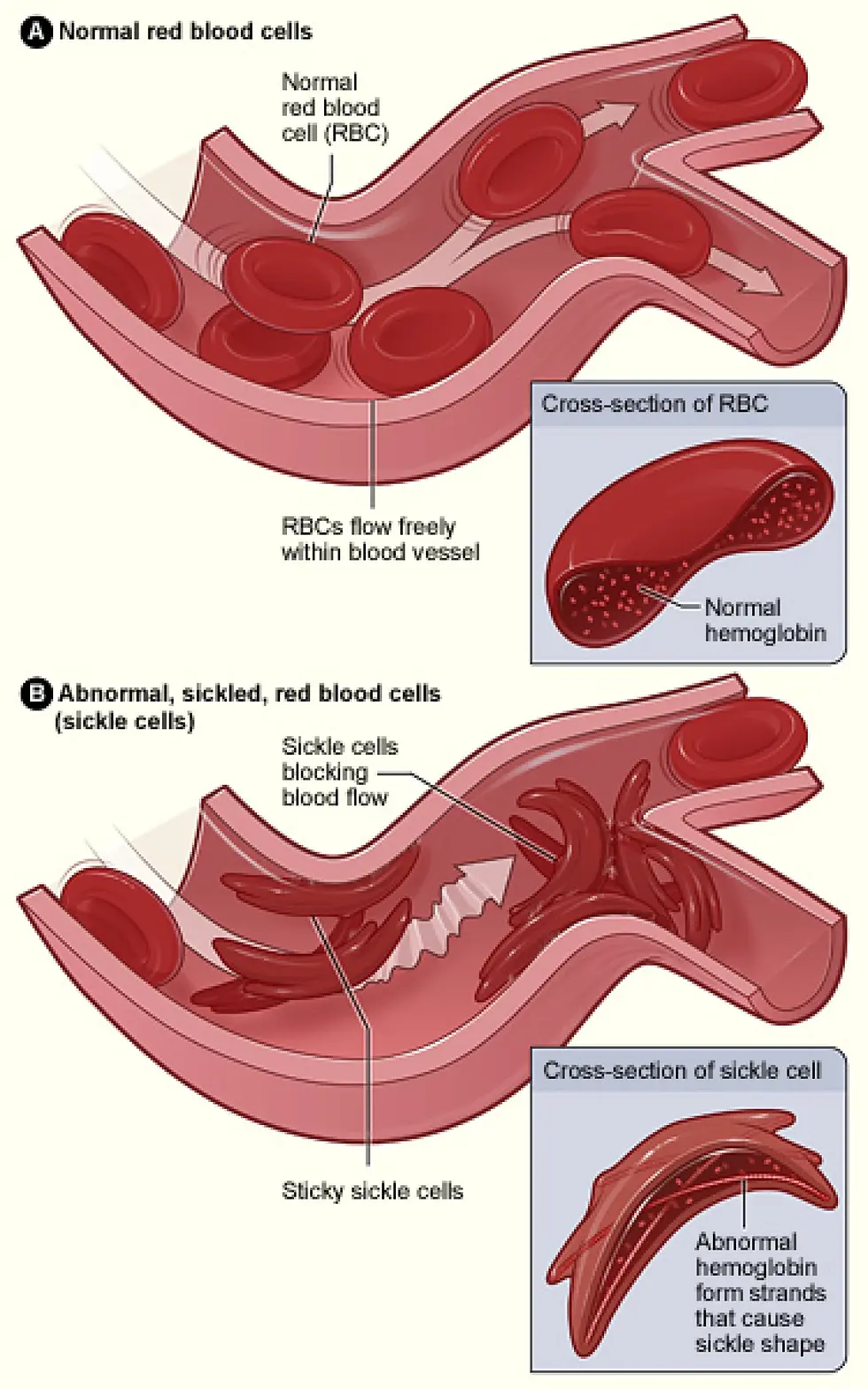
Learn about SCD: It’s a genetic blood disorder that affects hemoglobin, leading to painful “crises,” anemia, fatigue, and risk of complications.
Recognize triggers: Common triggers for pain crises include dehydration, cold temperatures, stress, infections, and lack of oxygen.
💙 Emotional Support
Be patient and empathetic: Pain crises can be very intense and unpredictable. Offering understanding, not judgment, is crucial.
Check in regularly: Living with a chronic illness can be isolating—consistent communication helps.
Respect their limits: Fatigue is common. Don’t pressure them to “push through” when they need rest.
🛠 Practical Support
Encourage hydration: Carrying water and reminding them to drink helps reduce crises.
Help with appointments: Offer rides, go with them for support, or help keep track of medications and check-ups.
Assist during crises: If they’re in severe pain, help them get comfortable, keep them warm, and know when hospital care is needed.
🍲 Lifestyle & Wellness Support
Balanced diet: Encourage nutrient-rich foods, especially those with folate, vitamins, and minerals that support red blood cell health.
Avoid infections: Encourage handwashing, vaccinations, and staying away from sick contacts.
Encourage safe exercise: Light activity is usually good, but overexertion can be harmful.
🚨 Know When to Seek Emergency Help
Call a doctor or emergency services if they have:
Severe pain not relieved by usual meds
Fever (infections can be life-threatening)
Chest pain or trouble breathing
Sudden weakness, vision changes, or difficulty speaking
🌍 Advocacy & Long-Term Support
Support their rights: People with SCD sometimes face stigma, especially around needing pain medication. Advocate for them if needed.
Encourage self-advocacy: Help them feel confident discussing their needs with doctors, employers, or educators.
✅ Sickle Cell Support Checklist
🔹 Everyday Support
Encourage regular hydration (carry water, remind them to drink)
Remind about medications and help track schedules
Support healthy eating (iron-rich, folate, vitamins, balanced meals)
Promote rest and pacing—don’t push them when fatigued
Check in emotionally—offer empathy, not pressure
🔹 Preventing Crises
Help them avoid cold (bring a jacket, keep warm)
Encourage stress management (relaxation, breaks, support)
Keep them away from infections (handwashing, vaccines, avoiding sick contacts)
Avoid dehydration, overexertion, or low-oxygen situations (like very high altitudes)
🔹 During a Pain Crisis
Stay calm and listen to their needs
Help them get comfortable—warm blankets, quiet environment
Offer hydration if they can drink
Remind or assist with prescribed pain medication
Monitor symptoms and be ready to escalate if needed
🚨 Call Emergency Help If:
High fever (≥101°F / 38.3°C)
Severe pain not relieved by usual meds
Chest pain, cough, or trouble breathing
Sudden weakness, vision changes, or difficulty speaking
Signs of infection (chills, sore throat, burning when urinating)
🔹 Emotional & Long-Term
Advocate for them if others doubt their pain
Offer to accompany them to medical appointments
Support with school, work, or social adjustments
Encourage rest and self-care without guilt
** Our sister organization, Neuro-Behavioral Clinical Research, is currently conducting a PAID clinical study on Sickle Cell Disease. For more information see: https://www.nbclinicalresearch.com/sickle-cell or call 330-493-1118 |
DISCOVER HOPE AND SUPPORT AT THE OHIO CENTER FOR HOPE
OCH is a non-profit dedicated to mental health wellness and positive aging.
We offer confidential mental health screenings, comprehensive memory assessments
at our Memory Clinic, and facilitate community-based referrals when necessary. Our mission
is to break the stigma surrounding mental health, raise awareness about the power of
early detection in slowing memory loss, and empower individuals to live vibrant, healthy lives.
Local transportation may be available for appointments. Best of all, our services are
completely free — no insurance required.


Ohio Center for Hope
Toll Free: 833-767-HOPE
8312 Cleveland Ave NW
North Canton, OH 44720


Comments